

Lower Back Pain Relief: Causes, Remedies, and Prevention
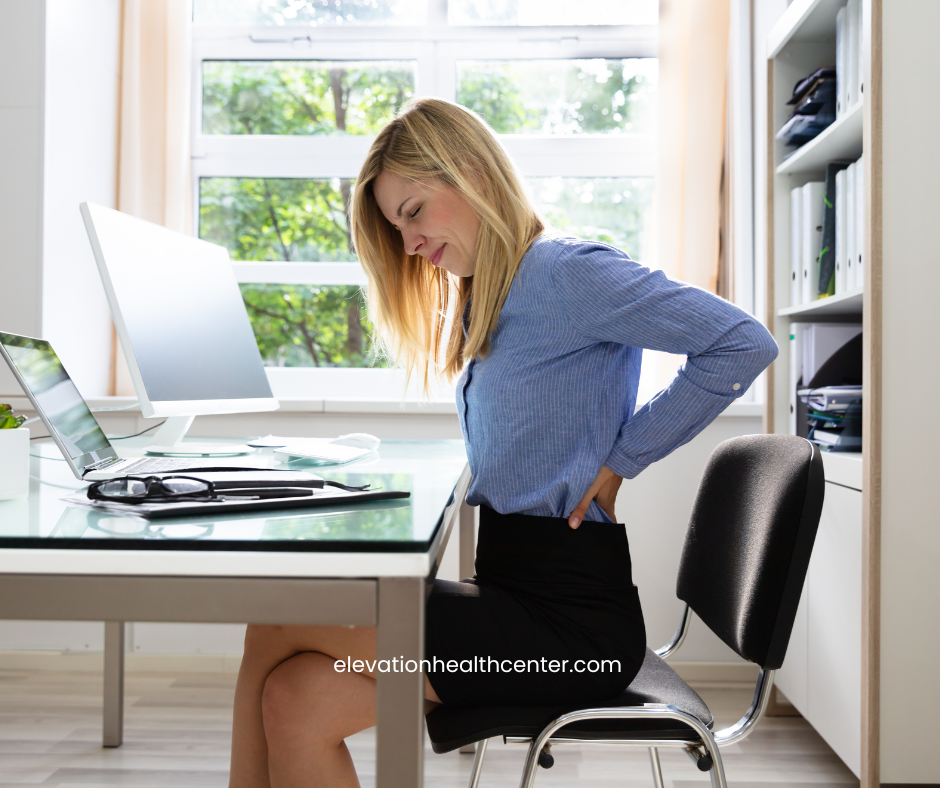
Lower back pain is one of the most widespread health complaints in the world. Whether it’s from overuse, injury, poor posture, or chronic conditions, this type of pain can be debilitating. Fortunately, many effective relief strategies—backed by research—can help reduce pain, restore mobility, and prevent recurrence.
What Causes Lower Back Pain
Understanding causes can help you address pain better. Common sources include:
-
Muscle or ligament strain: Lifting heavy items incorrectly, sudden awkward movements, or repetitive strain can damage muscles or ligaments in the lower back. Mayo Clinic+2Johns Hopkins Medicine+2
-
Disc problems: Herniated or bulging discs put pressure on nerves, leading to pain that may radiate into the legs.
-
Joint degeneration and arthritis: Wear and tear on the spinal joints over time causes pain and stiffness.
-
Poor posture, obesity, and sedentary lifestyle: These increase stress on the spine, reduce core strength, and can lead to chronic pain.
Lower Back Pain Relief: Tips & Quick Remedies
Here are practical, evidence-based strategies to relieve lower back pain:
-
Use heat or cold therapy
-
Applying cold (ice) can reduce inflammation in the first 24-48 hours after injury.
-
Heat (warm compresses, baths) helps relax tight muscles and increase blood flow.
-
-
Over-the-counter medications
-
NSAIDs (like ibuprofen) can help with pain and inflammation.
-
Topical analgesics or creams may provide local relief.
-
Keep moving—but gently
-
Avoid bed rest beyond a day or two. Gentle walking, light stretching, or low-impact activity helps maintain mobility.
-
-
Posture and ergonomics
-
Maintain neutral spine position when sitting, standing, and lifting.
-
Use chairs with good lumbar support; avoid prolonged sitting without breaks.
-
-
Professional guidance
-
Physical therapy can teach proper body mechanics, strengthening, and stretching.
-
In chronic or severe cases, medical imaging and diagnostics may be required to rule out infections, tumors, or structural issues.
-
Best Exercises & Stretches for Lower Back Pain Relief
Incorporating exercises that stretch and strengthen supporting muscles (core, glutes, hips) is key. Here are several well-tested moves:
| Exercise / Stretch | How to Do It | Benefits |
|---|---|---|
| Knee-to-Chest Stretch | Lie on your back, pull one knee to chest, hold 5-10 seconds, switch legs. | Stretches lower back and hip muscles; helps relieve tension. |
| Cat-Cow Stretch | On hands & knees, alternate arching & rounding your spine slowly. | Promotes spinal mobility and reduces stiffness. |
| Pelvic Tilt / Bridge | Lie flat, knees bent; gently lift buttocks (bridge) or flatten lower back down (tilt). | Strengthens lower back, glutes, and core muscles. |
| Hamstring Stretch | Lying or standing, gently stretch back of thigh. | Relieves tension pulling on the lower back. |
| Clamshell / Side-leg Raises | Lie on side, knees bent or straight, lift top leg while stabilizing torso. | Helps with hip stability and reduces strain on lumbar region. |
Do these twice a week for stretching and strengthening, and gently walk daily if possible. Be careful: always do exercises within comfortable limits; pain is a cue to stop or modify.
Prevention: Long-Term Strategies
To avoid recurring back pain, consider these preventive measures:
-
Build core strength: Strong abdominals, obliques, glutes all help support the spine.
-
Maintain a healthy weight: Reduces mechanical stress on spinal structures.
-
Proper lifting technique: Bend at the knees, keep back straight, avoid twisting.
-
Good ergonomics at work: Use lumbar-supporting chairs; adjust workstation so monitor, keyboard, etc. are at comfortable heights. Take breaks to stand, stretch.
-
Quit smoking: Smoking impairs blood flow and slows healing.
When to See a Doctor
Most lower back pain improves within a few weeks with home care. However, seek professional help if:
-
Pain is severe, does not improve after 4-6 weeks of self-care.
-
Pain radiates to legs, causes numbness or weakness.
-
Loss of bladder or bowel control (urgency, incontinence).
-
History of trauma, unexplained weight loss, fever.
Lower back pain can often be addressed without surgery through a combination of correct posture, regular stretching and strengthening, lifestyle adjustments, and mild treatments. By acting promptly—and reserving professional care for serious or persistent cases—you can significantly reduce pain and improve quality of life.
