

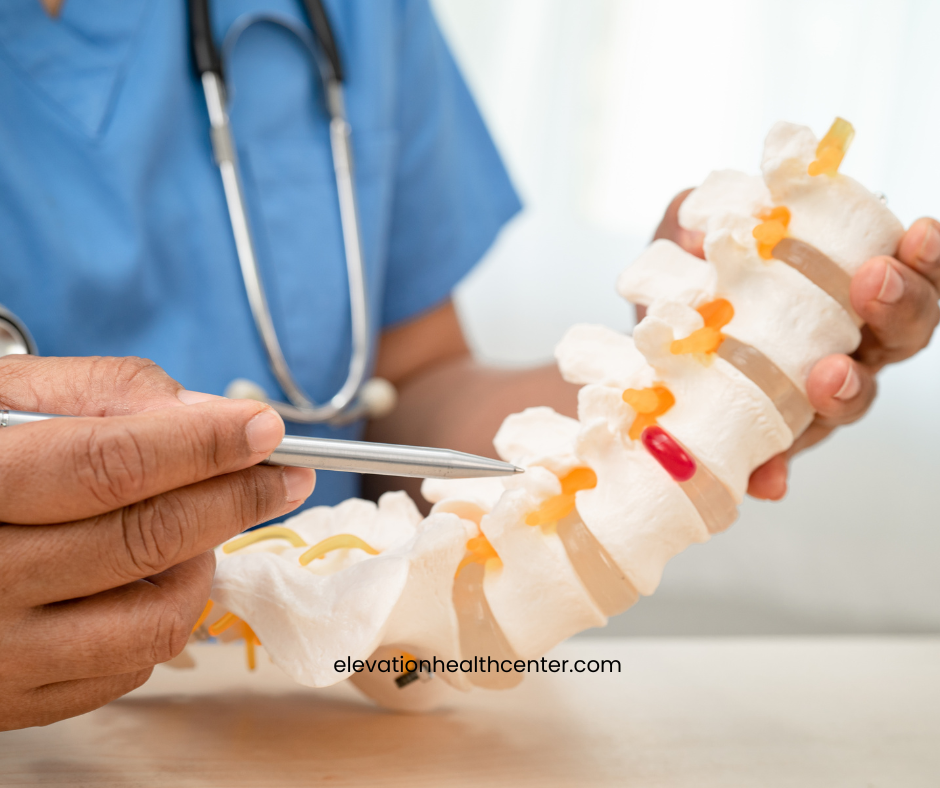
Pain Relief Treatments for Herniated Discs
A herniated disc, often referred to as a slipped or ruptured disc, is a common spinal condition that can cause significant pain, numbness, and restricted mobility. It occurs when the soft inner gel of a spinal disc protrudes through its tougher exterior, potentially pressing on nearby nerves. This condition most commonly affects the lower back (lumbar spine) but can also occur in the neck (cervical spine). Fortunately, a variety of herniated disc treatments exist to manage symptoms, improve function, and enhance quality of life.
Understanding Herniated Disc Symptoms
Recognizing the signs of a herniated disc is the first step toward effective treatment. Symptoms can vary depending on the location and severity of the disc injury:
-
Lower back pain: Sharp or burning pain that may radiate down the legs (sciatica).
-
Neck pain: Discomfort that can spread into shoulders and arms.
-
Numbness or tingling: Often felt in the extremities along the affected nerve pathway.
-
Muscle weakness: Difficulty lifting objects or maintaining balance.
-
Limited mobility: Stiffness and difficulty bending or twisting.
Prompt attention to these symptoms can prevent further complications and reduce long-term discomfort.
Non-Surgical Herniated Disc Treatments
Many patients respond well to conservative, non-surgical treatment methods, which focus on relieving pain, reducing inflammation, and supporting spinal health.
1. Chiropractic Care
Chiropractic adjustments are a widely used option for managing herniated disc symptoms. By realigning the spine and reducing pressure on affected nerves, chiropractic care can alleviate pain, improve mobility, and promote natural healing. Techniques such as spinal decompression therapy may also help reduce disc pressure, allowing the gel to retract and relieve nerve irritation.
2. Physical Therapy and Exercise
Targeted exercises guided by a physical therapist can strengthen supporting muscles, improve flexibility, and stabilize the spine. Core strengthening, low-impact aerobic exercises, and stretching routines can significantly reduce pain and prevent future injuries. Physical therapy also often includes posture training and ergonomic guidance to minimize stress on the spine during daily activities.
3. Medication
Over-the-counter pain relievers such as acetaminophen, ibuprofen, or naproxen can manage mild to moderate pain. In some cases, doctors may prescribe muscle relaxants, corticosteroids, or nerve pain medications to provide more significant relief. It’s important to follow dosage instructions carefully and discuss any long-term medication use with a healthcare professional.
4. Lifestyle Modifications
Simple lifestyle adjustments can support herniated disc recovery:
-
Weight management: Reducing excess body weight decreases spinal stress.
-
Ergonomic improvements: Proper seating, supportive mattresses, and correct lifting techniques can prevent further strain.
-
Activity modification: Avoiding prolonged sitting, heavy lifting, or repetitive movements can aid healing.
Advanced or Surgical Options
When conservative treatments fail to provide sufficient relief, more advanced interventions may be considered:
1. Epidural Steroid Injections
These injections target inflammation around the affected nerve, providing temporary relief from pain and swelling. They are often used as part of a broader treatment plan including physical therapy.
2. Minimally Invasive Surgery
Surgical procedures, such as microdiscectomy or laminectomy, are typically reserved for severe cases where nerve compression causes significant weakness, numbness, or loss of function. Modern minimally invasive techniques can reduce recovery time and minimize tissue damage compared to traditional open surgery.
Complementary Therapies
In addition to medical and surgical interventions, complementary approaches may support recovery:
-
Acupuncture: Can help reduce pain and improve nerve function.
-
Massage therapy: Eases muscle tension and promotes blood flow.
-
Heat and cold therapy: Provides temporary pain relief and reduces inflammation.
Choosing the Right Treatment
Selecting the best herniated disc treatment depends on symptom severity, disc location, overall health, and personal lifestyle. Many patients benefit from a combination of therapies, such as chiropractic care, physical therapy, and lifestyle adjustments, to achieve optimal results. Early intervention, proper posture, and consistent follow-up care can prevent recurrence and support long-term spinal health.
Prevention and Long-Term Care
While herniated discs can occur due to aging, injury, or repetitive strain, proactive measures can reduce the risk:
-
Maintain a healthy weight and active lifestyle.
-
Practice proper lifting techniques.
-
Incorporate core-strengthening exercises into your routine.
-
Use ergonomic furniture and supportive bedding.
-
Avoid prolonged inactivity, which can weaken muscles and exacerbate spinal stress.
Conclusion
Managing a herniated disc doesn’t always require surgery. With the right combination of chiropractic care, physical therapy, medication, and lifestyle adjustments, most patients can experience significant relief from pain and regain mobility. Early diagnosis and a personalized treatment plan are essential for effective recovery and long-term spinal health. If you suspect you have a slipped or ruptured disc, consult a qualified healthcare professional to explore the most appropriate treatment options for your unique needs.
