

How AI Is Transforming Chiropractic Care
In recent years, artificial intelligence (AI) has made its way into nearly every aspect of healthcare—and chiropractic care is no exception. From digital posture scanners and motion-sensing wearables to predictive analytics and AI-driven patient education, technology is reshaping how chiropractors assess, treat, and support their patients. This integration of innovation with hands-on care is creating a new era of precision, prevention, and personalization in spinal health.
Understanding the Role of AI in Chiropractic
AI is not replacing chiropractors—it’s empowering them. At its core, AI processes large sets of data faster and more accurately than humans can. In chiropractic clinics, that data might come from digital X-rays, posture scans, wearable sensors, or even patient movement during treatment. By identifying subtle patterns or misalignments that might go unnoticed, AI tools help chiropractors deliver more accurate diagnoses and tailored treatment plans.
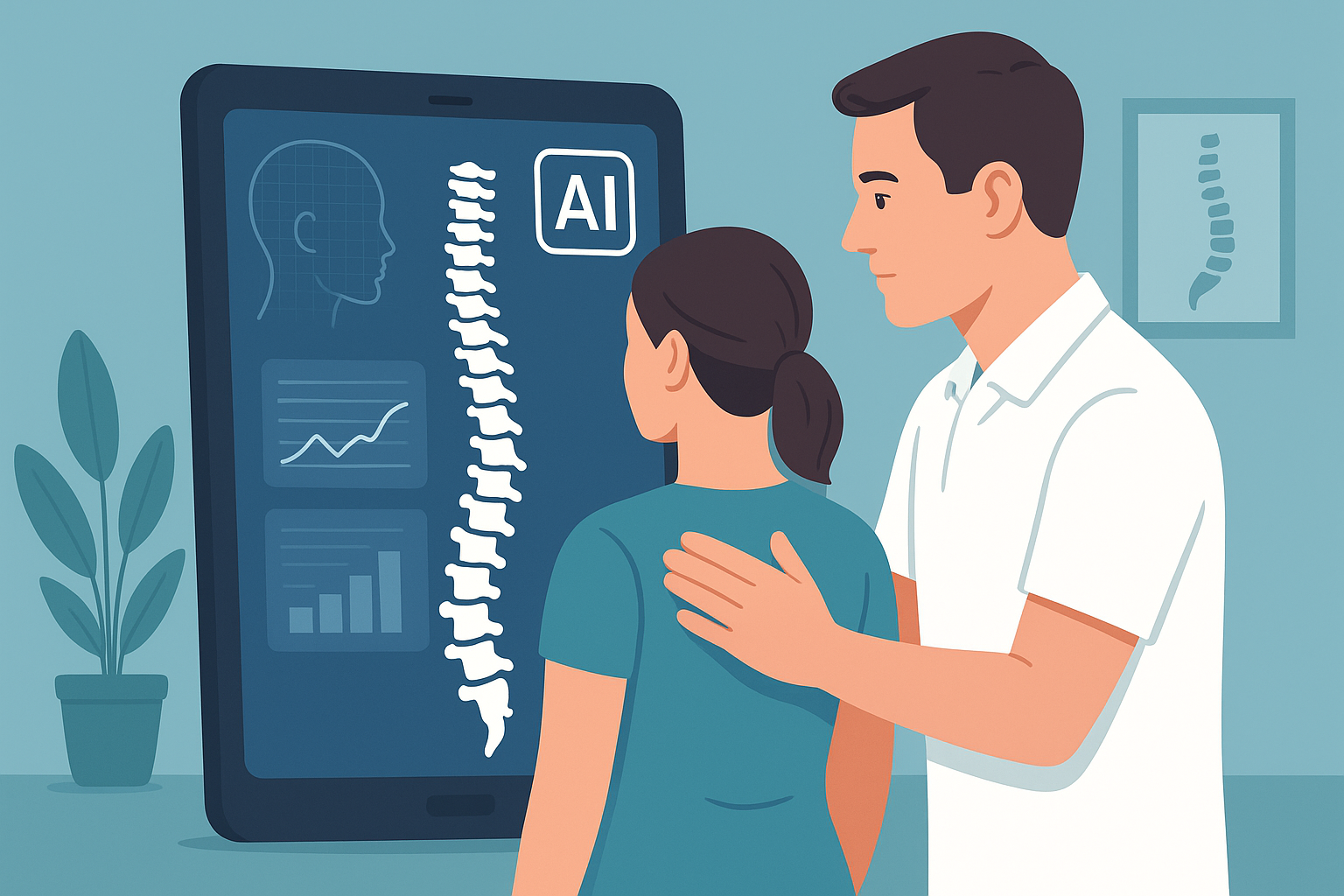
For example, AI-based imaging systems can analyze the curvature of the spine, detect uneven muscle tension, and flag areas that may be at risk for future pain or injury. These insights help chiropractors make more informed decisions and track progress with incredible precision.
AI-Powered Posture and Movement Analysis
One of the most exciting innovations in modern chiropractic care is AI posture analysis. Using advanced motion-capture cameras or wearable devices, AI systems assess how a patient’s body moves, stands, and balances. The software creates a detailed 3D model of the spine and musculoskeletal structure, highlighting areas of misalignment or strain.
This technology allows chiropractors to:
-
Measure posture deviations with millimeter-level accuracy
-
Compare before-and-after results of chiropractic adjustments
-
Educate patients using visual data about their own spinal health
Patients respond positively when they can see their progress—making treatment more engaging and motivating.
Personalized Treatment and Predictive Care
Traditionally, chiropractic treatment plans were based on the practitioner’s experience and patient feedback. With AI, chiropractors can now access data-driven insights that make each plan uniquely tailored to the patient’s specific needs.
AI can analyze multiple data points—such as body composition, movement patterns, and lifestyle factors—to predict which treatment techniques are most likely to deliver results. It can also forecast potential problem areas before symptoms worsen, allowing for preventive chiropractic care rather than reactive treatment.
For example, a patient’s posture scan might reveal early spinal imbalance due to prolonged screen time (commonly known as “tech neck”). AI can detect this subtle shift and help the chiropractor design a preventive care plan to avoid chronic pain or nerve compression.
Streamlining Clinic Operations
Beyond patient diagnostics, AI is helping chiropractic offices streamline their day-to-day operations. Intelligent scheduling software can predict appointment demand, reduce wait times, and manage patient flow. AI-driven communication tools send reminders, manage follow-ups, and even respond to patient inquiries using natural language processing.
This automation allows chiropractors and staff to focus more time on patient care and less on administrative work—improving both efficiency and patient satisfaction.
Enhancing Patient Education and Engagement
AI also enhances the way chiropractors educate and engage their patients. Digital platforms powered by AI can generate personalized reports and interactive visuals that explain the spine’s alignment, nerve connections, and treatment goals.
Some systems include mobile apps that track daily posture, recommend exercises, and alert users when they slouch or put strain on their spine. These tools reinforce what patients learn in the office, helping them maintain progress between visits and take a more active role in their healing.
Data-Driven Outcomes and Research
Another powerful benefit of AI in chiropractic care is its ability to analyze treatment outcomes across large groups of patients. By studying anonymized data on how different adjustments or therapies impact recovery, chiropractors can refine their methods and contribute to evidence-based practice.
This ongoing feedback loop between clinical experience and AI analytics is raising the bar for chiropractic science, ensuring treatments are not only effective but also backed by measurable results.
The Future of AI in Chiropractic
As AI continues to evolve, the future of chiropractic care looks increasingly digital yet deeply human. We’re likely to see:
-
Virtual chiropractic consultations using AI-assisted motion tracking
-
Wearable devices that provide real-time spinal feedback
-
AI-generated care plans that adapt as patients improve
-
Collaborative data networks that strengthen chiropractic research
While technology plays a growing role, the heart of chiropractic care remains the same: skilled, compassionate hands guiding the body toward balance and healing. AI simply enhances that mission—giving chiropractors smarter tools to serve their patients better.
Elevation Health Center Leading with Innovation
At Elevation Health Center in Meridian, ID, we’re dedicated to staying ahead of the curve in natural, results-driven chiropractic care. Our focus on innovative technology and personalized treatment ensures every patient receives the highest level of precision and care. Whether you’re dealing with back pain, neuropathy, or posture issues from daily screen use, our team combines modern tools with expert hands-on techniques to help you heal and thrive.
