

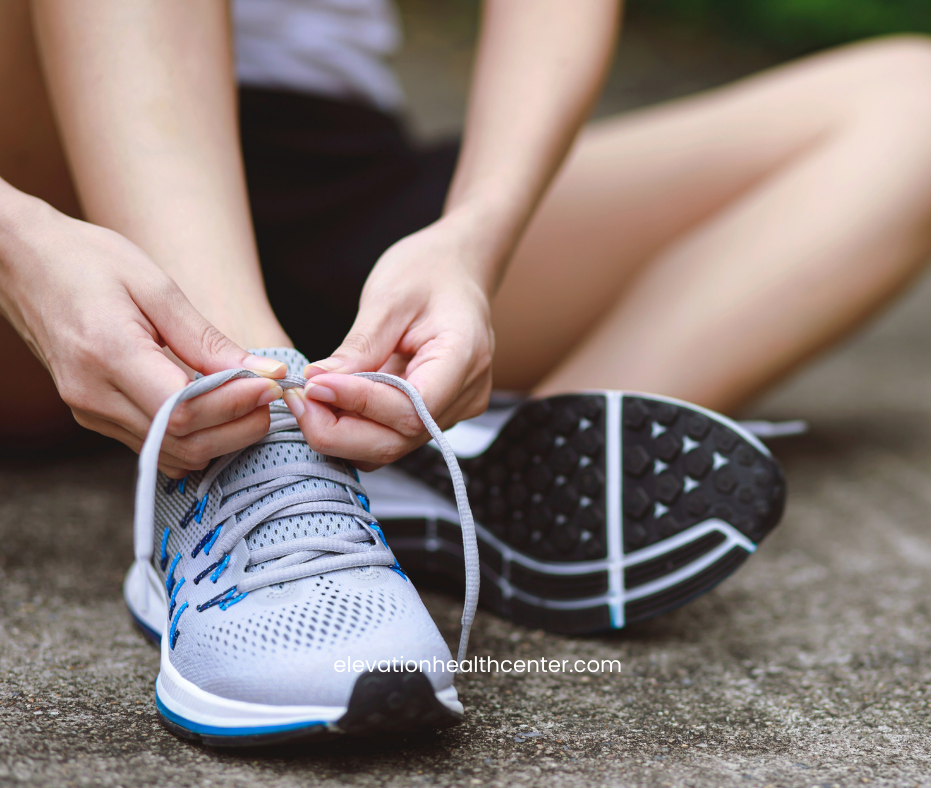
Footwear and Socks For Neuropathy Protection
Foot health is often overlooked—until pain or discomfort makes every step a challenge. For individuals living with neuropathy, diabetes, or circulation issues, choosing the right footwear and socks isn’t just about comfort; it’s about protection, balance, and preventing serious complications. The right combination can reduce pressure on sensitive nerves, improve circulation, and minimize the risk of injuries that often go unnoticed due to reduced sensation. Alongside proper footwear, effective treatments can also help manage and even reverse neuropathic pain.
This article explores the best footwear and socks for foot protection, comfort, and circulation, while also covering treatments that can prevent or reduce neuropathic pain.
Why Proper Footwear Matters for Neuropathy
Neuropathy, or nerve damage, often affects the feet and legs, leading to burning, tingling, numbness, or shooting pain. Poorly fitting shoes can worsen these symptoms by restricting blood flow, creating pressure points, and increasing the risk of sores or ulcers. Since neuropathy reduces sensation, even small injuries can develop into serious problems.
Proper footwear helps by:
-
Cushioning the feet to absorb shock and reduce pain
-
Supporting the arches and ankles for better balance
-
Reducing friction that causes blisters or calluses
-
Encouraging circulation to prevent swelling and further nerve damage
Best Footwear for Protection and Comfort
When selecting shoes for neuropathy or sensitive feet, the following features are most important:
-
Wide Toe Box
Shoes should provide extra space for the toes to move freely without pressure. This prevents pinching and reduces the risk of corns, bunions, and irritation. -
Cushioned Insoles
Memory foam or gel insoles provide shock absorption and evenly distribute pressure, reducing strain on sensitive nerves. -
Low Heels and Non-Slip Soles
A stable, supportive sole with good traction helps prevent falls, which are more common in people with neuropathy due to balance issues. -
Adjustable Closures
Velcro straps or laces allow the shoe to be adjusted throughout the day, accommodating swelling in the feet and ankles. -
Breathable Materials
Leather or mesh uppers keep feet cool and dry, lowering the risk of fungal infections and skin irritation. -
Orthopedic or Diabetic Shoes
These specialized shoes are designed to protect feet with reduced sensation. They often come with seamless interiors, extra depth, and customizable inserts.
Best Socks for Neuropathy and Foot Comfort
Socks play a bigger role than most people realize in maintaining foot health, especially for those with nerve pain. The right socks provide cushioning, improve circulation, and prevent friction that can lead to sores.
Look for these features:
-
Moisture-Wicking Fabric
Materials like bamboo, merino wool, or specialized synthetics keep feet dry and reduce the risk of fungal infections. -
Seamless Design
Seams can cause irritation and pressure points, especially for people with reduced sensation. Seamless socks eliminate this problem. -
Compression Options
Light compression socks can support circulation, reduce swelling, and relieve fatigue in the legs. -
Padding and Cushioning
Extra padding at the heel and ball of the foot helps protect against pressure and impact. -
Non-Binding Tops
Socks that do not cut into the calf improve blood flow, especially for individuals with circulation problems.
Diabetic socks, in particular, combine many of these features and are an excellent choice for anyone with neuropathy.
Treatments That Prevent Neuropathic Pain
While footwear and socks protect the feet, addressing the underlying cause of neuropathy is essential for long-term relief. At Elevation Health Center in Meridian, ID, we offer treatments that help patients reduce or even reverse neuropathic pain:
-
Chiropractic Care
Gentle spinal adjustments improve nerve communication, reduce inflammation, and restore alignment, which helps relieve pain associated with neuropathy. -
Neuropathy Reversal Programs
These programs combine therapies like electrical stimulation, laser therapy, and nutritional support to repair nerve damage and improve circulation. -
Hyperbaric Oxygen Therapy
HBOT increases oxygen delivery to damaged nerves and tissues, accelerating healing and reducing neuropathic symptoms. -
Nutritional Support
Proper nutrition—including B vitamins, alpha-lipoic acid, and omega-3 fatty acids—supports nerve regeneration and function. -
Lifestyle and Weight Management
Maintaining a healthy weight reduces pressure on the feet, while exercise improves circulation and balance.
Daily Tips for Protecting Your Feet
Alongside treatments and proper footwear, daily habits play a crucial role in foot protection:
-
Inspect feet daily for cuts, blisters, or swelling
-
Keep feet clean and moisturized (but avoid between the toes to prevent fungal growth)
-
Trim nails carefully to prevent ingrown toenails
-
Alternate shoes to allow them to air out
-
Never walk barefoot, even indoors, to avoid unnoticed injuries
Footwear and socks may seem like simple choices, but for individuals with neuropathy, they can mean the difference between daily discomfort and lasting relief. Shoes with wide toe boxes, cushioned insoles, and breathable materials combined with seamless, moisture-wicking socks provide essential protection. When paired with advanced treatments like chiropractic care, neuropathy reversal programs, and hyperbaric oxygen therapy at Elevation Health Center, patients can find hope for pain reduction and nerve healing.
Taking steps today to protect your feet can prevent future complications and restore confidence in every stride. Call us today at 208-287-9393 to schedule your initial consultation or schedule online.
